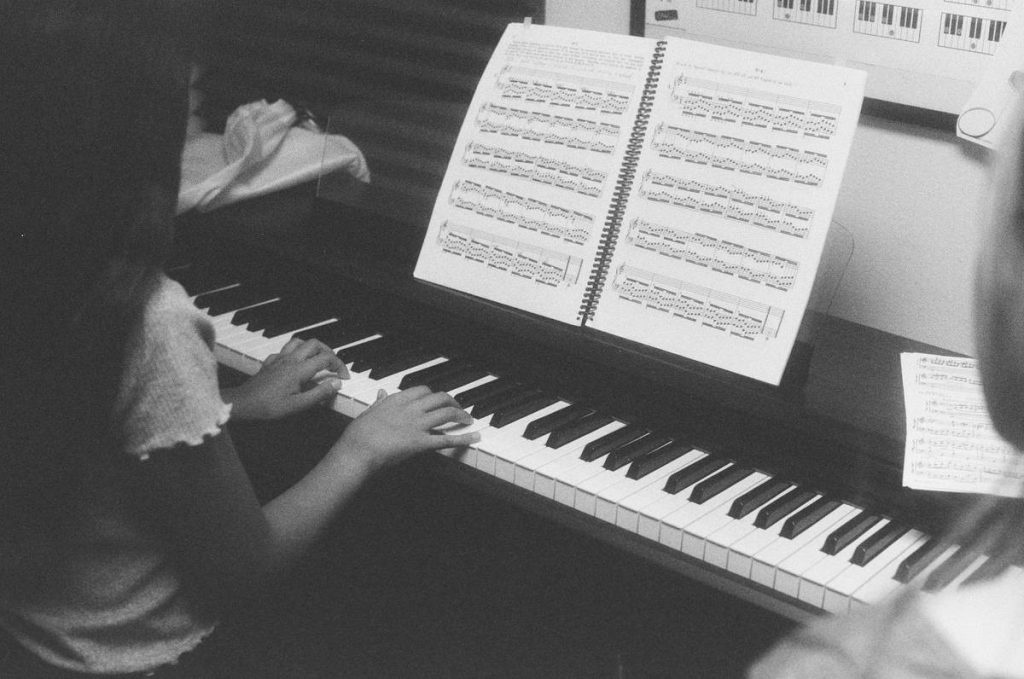
Most beginners hit a wall within weeks. They fumble with sheet music, lose motivation, and quit—thinking they “just aren’t musical.” Traditional lessons demand reading before playing. It’s backwards. The Suzuki Method flips that script. No decoding dots on a page first. Just listen, imitate, and play—like learning your native tongue. That’s the core of suzuki method piano lesson beginner what actually works.
Why Standard Piano Lessons Fail Beginners
Conventional approaches treat piano like algebra—you must understand notation before touching a key. But music isn’t math. It’s sound. Emotion. Muscle memory. Forcing kids (or adults!) to decode symbols before hearing real music kills joy fast.
And here’s the kicker: most teachers aren’t trained in auditory-first pedagogy. They default to method books written for conservatory students—not 6-year-olds who just want to play “Twinkle” like their friend did.
suzuki method piano lesson beginner what
The Suzuki path isn’t about talent. It’s about environment, repetition, and delayed note-reading. Shinichi Suzuki believed every child can learn music if immersed properly—just like language acquisition. Here’s how it unfolds:
Step 1: Ear Training Before Eyes
Students listen daily to reference recordings. Melodies become internalized. When they sit at the piano, fingers follow what the ear already knows. No guessing intervals or clefs.
Step 2: Parent as Home Teacher
A committed adult attends every lesson, takes notes, and guides daily practice. This isn’t optional—it’s structural. The parent isn’t expected to play; they’re the consistency anchor.
Step 3: Tiny Repertoire, Mastered Deeply
Beginners might spend weeks on “Twinkle Variations.” Why? Because polishing one piece builds technique, tone control, and confidence far better than rushing through ten sloppy ones.
| Approach | Traditional Piano Lessons | Suzuki Method |
|---|---|---|
| First Skill Taught | Reading sheet music | Listening & imitation |
| Parent Role | Observer or taxi driver | Active co-teacher at home |
| Repertoire Pace | 1–2 new pieces weekly | 1 piece mastered over weeks |
| Note Reading Start | Day 1 | After 6–12 months of playing |
The Industry Secret Most Teachers Won’t Admit
Here’s the reality: many so-called “Suzuki” studios water down the method. They skip parental training, rush into note reading, or skip tonalization exercises. Why? Because full immersion is labor-intensive—for teacher and family.
But the real magic happens in the gap between listening and playing. When a child hears a phrase perfectly in their head, their hands chase that ideal. That’s where expressive playing is born—not from metronomes or finger drills. And—this is critical—the piano Suzuki repertoire was adapted later; violin came first. So piano teachers must deeply understand the philosophy, not just mimic the books.

FAQ
Is the Suzuki Method only for young children?
No. While optimized for ages 3–8, motivated teens and adults benefit too—especially those frustrated by traditional reading-first methods.
Do Suzuki students ever learn to read music?
Yes—but deliberately delayed. After developing strong aural skills and physical technique, reading becomes a tool, not a barrier.
Can I do Suzuki without a certified teacher?
Strongly discouraged. The method relies on precise modeling, posture correction, and sequencing that self-teaching can’t replicate.