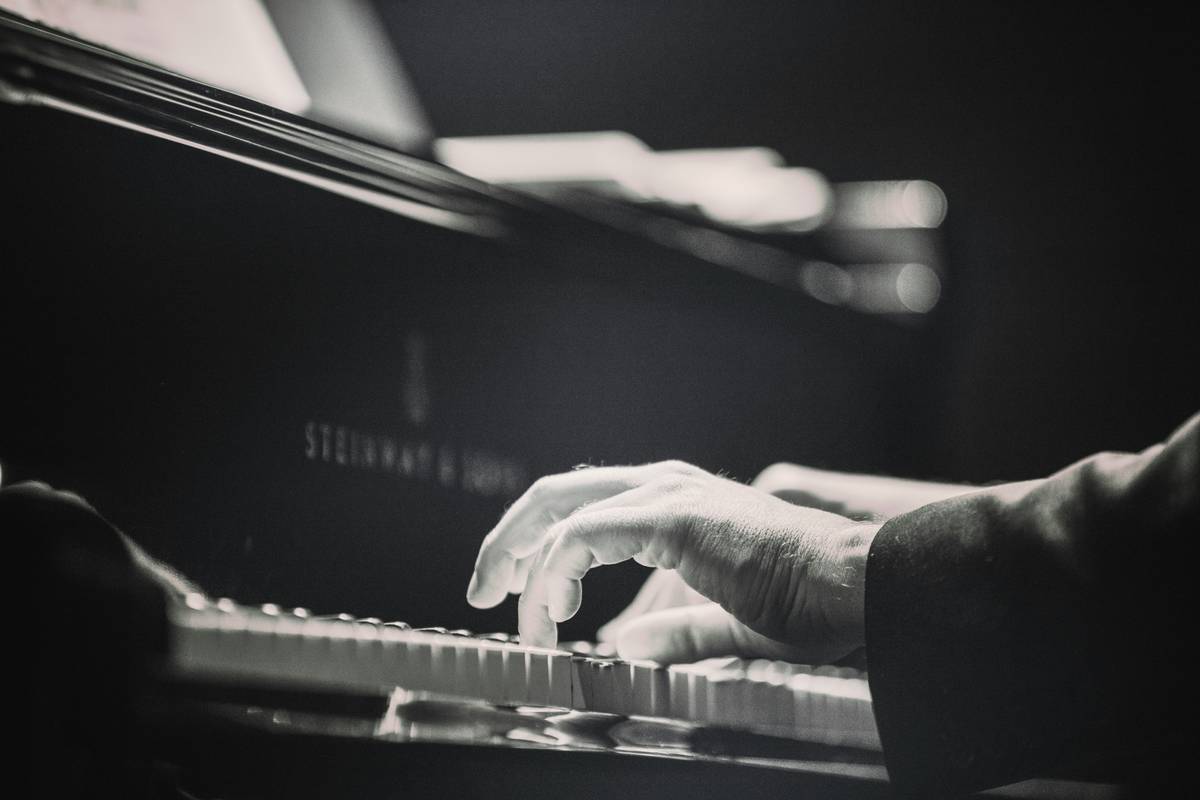
You sit down at the keys—excited, determined. But within minutes, your fingers fumble, the rhythm collapses, and that dream of playing beautifully evaporates. Most beginner piano courses drown you in scales before you’ve even played a real song. The frustration isn’t your fault. It’s the method. Here’s the fix: rewire how you learn from day one with practical, ear-first, emotion-driven basics that stick.
Why most basic piano lessons for beginners fail
Traditional curricula treat piano like math—abstract, rigid, linear. They start with treble clefs, finger numbers, and whole notes before you’ve felt the joy of making music. Bad move. And it kills motivation fast.
Think about it: no one learned to speak by diagramming sentences first. Yet that’s exactly what 90% of piano tutorials do. They prioritize notation over intuition—and wonder why students quit by week three.
Your step-by-step path to real progress
Forget the metronome (for now)
Start by mimicking simple melodies by ear. Pop songs, nursery rhymes—anything with a clear contour. Your brain maps pitch relationships faster than it decodes ledger lines.
Embrace “ugly” practice
Mistakes aren’t failures—they’re data. Play wrong notes loudly. Stretch awkwardly. Get lost. That friction builds neural pathways textbooks can’t replicate.
Delay reading music—but don’t skip it forever
Wait until you can play 3–5 full songs by ear. Then layer in notation as a tool—not the starting point. Suddenly, those dots on a staff mean something tangible.
| Learning Method | Time to First Song | Dropout Risk | Long-Term Retention |
|---|---|---|---|
| Traditional (notation-first) | 4–8 weeks | High | Moderate |
| Ear-first + delayed reading | 3–7 days | Low | High |
| App-only tutorials | 1–2 days | Very high | Poor |

The industry secret nobody talks about
Top piano educators rarely teach from method books in private studios—even when they wrote them. Why? Because real teaching is adaptive. It watches where your hand hesitates, hears which interval trips you up, and tailors the next exercise on the fly. Online learners miss this feedback loop.
Here’s the workaround: film yourself playing weekly. Compare Day 1 to Day 14. You’ll spot technical leaks no algorithm can detect—like inconsistent thumb tucks or wrist tension. Self-auditing becomes your private teacher.
Frequently Asked Questions
How long does it take to learn basic piano?
With focused daily practice using an ear-first approach, most beginners play simple songs confidently within 2–3 weeks—not months.
Do I need a real piano to start?
No. A 61-key MIDI controller or decent digital keyboard works fine initially. Avoid toy keyboards—they kill touch sensitivity early.
Should I learn both hands together?
Not at first. Master each hand separately, then fuse them at half-tempo. Rushing coordination creates sloppy habits that haunt you later.