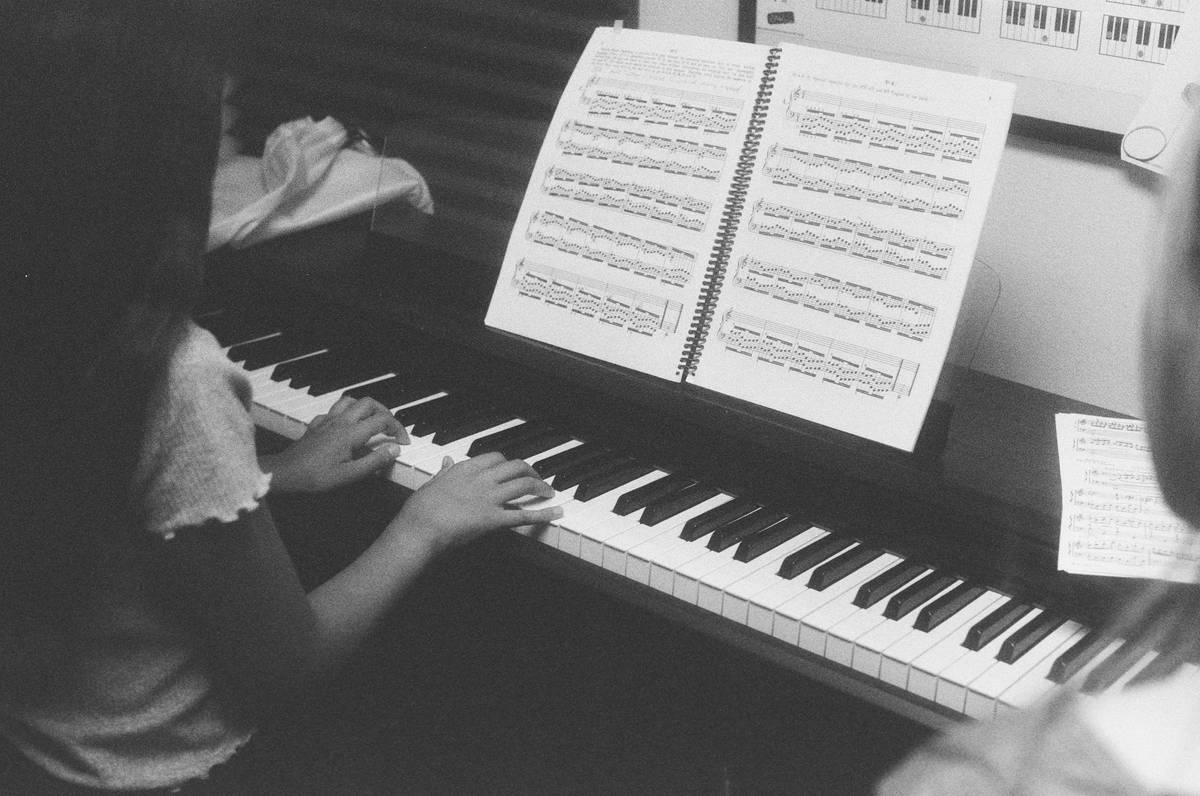
Most beginners quit piano within six months. Why? Traditional lessons start with reading notes—dry, abstract, and disconnected from sound. Kids (and adults) feel lost before they’ve even played a real melody. The suzuki method piano lesson beginner benefit flips this script entirely: learn by ear first, like you learned to speak your native language. No sheet music upfront. Just listening, imitation, and instant musical joy.
Why Conventional Piano Lessons Fail Beginners
Conventional methods treat piano like math homework. Note names. Finger numbers. Treble clefs. All before a single note resonates emotionally. And that’s the core failure—they ignore how humans actually acquire skill.
Think about it: you didn’t learn English by diagramming sentences as a toddler. You listened. Imitated. Tried. Failed. Tried again. Yet piano pedagogy clings to notation-first dogma.
The result? Frustration. Silent keyboards. Dust collecting on lids.
suzuki method piano lesson beginner benefit: A Step-by-Step Breakdown
The Suzuki Method isn’t just “another approach.” It’s a philosophy rooted in human development. Here’s how it works—practically—for total beginners:
Ear Before Eye
Students listen daily to recordings of pieces they’ll eventually play. Melodies live in their heads before fingers touch keys. This builds auditory memory—the same muscle used by jazz improvisers and concert soloists.
Parent as Home Teacher
One parent attends every lesson, takes notes, and guides practice at home. Not as a critic—but as a supportive co-learner. This triad (teacher-student-parent) creates consistency missing in standard models.
Repertoire Over Scales
No boring C-major drills for weeks. Beginners play “Twinkle Variations” immediately—real music with phrasing, dynamics, and emotional intent. Technique emerges through repertoire, not isolation.

| Feature | Suzuki Method | Traditional Method |
|---|---|---|
| Starting Point | Listening & imitation | Note reading & theory |
| First Piece | “Twinkle, Twinkle Little Star” variations | Hanon exercises or simple notation drills |
| Parent Role | Active participant in lessons and home practice | Observer or chauffeur |
| Timeline to Play Real Music | Day 1 | Weeks to months |
| Emphasis | Tone quality, posture, musicality |
The Industry Secret Nobody Admits
Here’s what conservatories won’t tell you: elite pianists often retrain using Suzuki principles—even as adults. Why? Because ear-based learning rebuilds intuitive musicianship eroded by over-reliance on the page.
I’ve seen transfer students who aced Grade 8 exams but couldn’t play “Happy Birthday” by ear. Zero aural reflexes. The Suzuki Method inoculates against that disconnect from day one. And—this is critical—it cultivates patience. Mastery isn’t rushed. Pieces are polished over months, not days. That slow burn builds neural pathways traditional crash courses miss.
The math is simple: if music lives in your ears first, your hands follow naturally.
Frequently Asked Questions
Is the Suzuki Method only for young children?
No—it works for teens and adults too. The core principles (listening, repetition, parental/mentor support) adapt beautifully. Adults just become their own “home teacher.”
Do Suzuki students ever learn to read music?
Yes—but delayed. Reading begins once basic technique and ear skills are solid, usually after Book 1. This mirrors how we learn spoken language before written.
How soon will a beginner play recognizable songs?
With consistent listening and practice, most Suzuki beginners play simplified classical melodies within 2–4 weeks. Real music, right away.